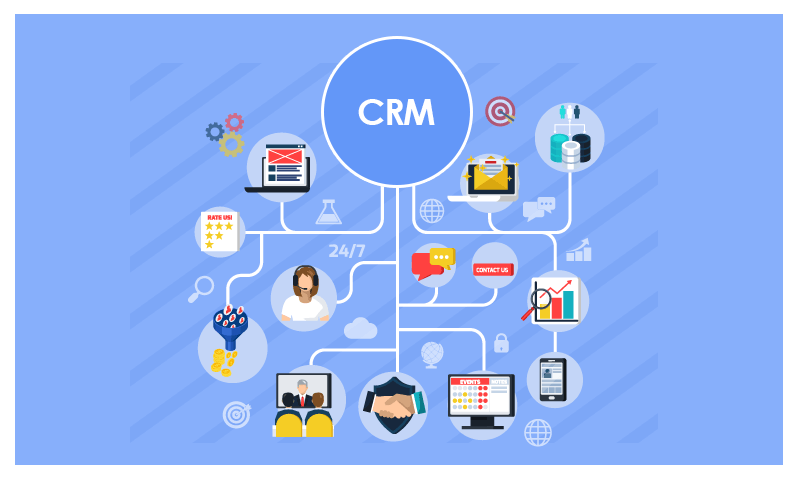
In today’s competitive business landscape, effective sales tracking is crucial for optimizing performance, maximizing revenue, and improving customer relationships. A Sales Tracking Customer Relationship Management (CRM) system provides businesses with the tools to manage leads, track sales activities, forecast revenue, and gain valuable insights into their sales pipeline. In this guide, we’ll explore the key features, benefits, and considerations when choosing the best Sales Tracking CRM for businesses looking to elevate their sales performance.
Why Use Sales Tracking CRM?
1. Lead Management
- A Sales Tracking CRM centralizes lead information, including contact details, interactions, source, and status.
- Sales teams can prioritize leads, assign follow-up tasks, and track progress through the sales pipeline.
2. Pipeline Visibility
- Gain a clear view of the entire sales pipeline, from leads to opportunities to closed deals.
- Visual dashboards and reports provide insights into sales performance, conversion rates, and revenue forecasts.
3. Activity Tracking
- Track sales activities such as calls, emails, meetings, and demos within the CRM.
- Monitor sales rep productivity, identify bottlenecks, and ensure timely follow-ups.
4. Customizable Sales Processes
- Customize sales stages, workflows, and pipelines to align with your business processes.
- Ensure consistency and efficiency in the sales process across teams and territories.
5. Automated Reminders and Notifications
- Set up automated reminders for follow-ups, appointments, and important deadlines.
- Receive real-time notifications for new leads, assigned tasks, and deal updates.
6. Integration with Marketing
- Seamlessly integrate with marketing automation platforms to track lead sources and campaign effectiveness.
- Close the loop between marketing and sales for a unified view of customer engagement.
Key Features of Sales Tracking CRM
1. Lead Management
- Centralized lead database with detailed profiles, activity history, and lead scoring.
- Lead assignment rules to distribute leads to the right sales reps based on criteria.
2. Opportunity Tracking
- Track sales opportunities through each stage of the pipeline.
- Set probability and revenue amounts for accurate forecasting.
3. Sales Activity Tracking
- Log sales calls, emails, meetings, and notes for each lead and opportunity.
- Monitor activity levels and trends to identify top-performing sales tactics.
4. Pipeline Management
- Visual pipeline view with drag-and-drop functionality for easy deal progression.
- Customizable sales stages, tags, and filters to organize and prioritize opportunities.
5. Reporting and Analytics
- Pre-built and customizable reports on sales performance, conversion rates, and win/loss analysis.
- Real-time dashboards with key metrics such as sales velocity, average deal size, and sales cycle length.
6. Mobile Access
- Mobile app for sales reps to access CRM data on-the-go.
- View and update lead and opportunity information, schedule follow-ups, and receive push notifications.
7. Integration with Sales Tools
- Seamless integration with email, calendar, and productivity tools such as Gmail, Outlook, and Google Calendar.
- API integration with third-party applications for enhanced functionality and data syncing.
Considerations When Choosing Sales Tracking CRM
1. Ease of Use
- Intuitive user interface with easy navigation and minimal training required.
- Customizable dashboards and workflows to suit the needs of different users.
2. Scalability
- Choose a Sales Tracking CRM that can scale with your business growth.
- Ensure it can accommodate increased leads, opportunities, and sales team members.
3. Integration Capabilities
- Seamless integration with existing sales and marketing tools for a unified ecosystem.
- API availability for custom integrations with other business systems and data sources.
4. Customization
- Flexible customization options for sales stages, fields, workflows, and reports.
- Adapt the CRM to match your unique sales processes and terminology.
5. Training and Support
- Comprehensive training resources and ongoing support for users.
- Access to user forums, knowledge bases, and customer support channels.
Top Sales Tracking CRM Solutions
1. Salesforce Sales Cloud
- Features: Lead management, opportunity tracking, sales activity tracking, pipeline management, reporting.
- Pricing: Starts at $25 per user per month.
2. HubSpot Sales Hub
- Features: Lead management, opportunity tracking, sales activity tracking, pipeline management, reporting.
- Pricing: Starts at $50 per user per month.
3. Zoho CRM
- Features: Lead management, opportunity tracking, sales activity tracking, pipeline management, reporting.
- Pricing: Starts at $12 per user per month.
4. Pipedrive
- Features: Lead management, opportunity tracking, sales activity tracking, pipeline management, reporting.
- Pricing: Starts at $12.50 per user per month.
5. Freshsales
- Features: Lead management, opportunity tracking, sales activity tracking, pipeline management, reporting.
- Pricing: Starts at $12 per user per month.
6. Nutshell
- Features: Lead management, opportunity tracking, sales activity tracking, pipeline management, reporting.
- Pricing: Starts at $19 per user per month.
Case Study: XYZ Company’s Success with Sales Tracking CRM
Let’s explore how XYZ Company leveraged Sales Tracking CRM to boost their sales performance:
- Improved Lead Management: XYZ Company utilized the CRM’s lead management features to centralize lead data, track interactions, and assign leads to the appropriate sales reps.
- Enhanced Opportunity Tracking: With the CRM’s opportunity tracking capabilities, XYZ Company gained visibility into their sales pipeline. Sales reps could track opportunities through each stage and prioritize follow-ups.
- Increased Sales Activity: Sales reps at XYZ Company logged their sales calls, emails, and meetings within the CRM. This allowed them to stay organized, plan their activities effectively, and ensure timely follow-ups.
- Real-time Pipeline Management: The CRM’s pipeline management tools provided XYZ Company with a visual representation of their sales pipeline. They could easily identify deals at risk, forecast revenue, and make data-driven decisions.
- Customized Reporting: XYZ Company generated customized reports and dashboards to monitor key metrics such as conversion rates, sales velocity, and top-performing sales tactics. This helped them identify trends and areas for improvement.
Conclusion
Sales Tracking CRM software is a powerful tool for businesses looking to optimize their sales processes, improve efficiency, and drive revenue growth. When choosing a Sales Tracking CRM, consider factors such as lead management, opportunity tracking, sales activity logging, customization, integration capabilities, and ease of use.
Top Sales Tracking CRM solutions like Salesforce Sales Cloud, HubSpot Sales Hub, Zoho CRM, Pipedrive, Freshsales, and Nutshell offer a range of features to meet the needs of businesses of all sizes. By implementing the right Sales Tracking CRM, businesses can streamline their sales operations, increase productivity, and achieve success in today’s competitive market.
